FASTFactory-built · Assembled · Steel · Tank
10–100,000+ m³/dayIndicative range across parallel trains
A/O · A²/O · MBRProcess selected for the effluent target
Phased capacityProject-specific modules and trains
FAST EXPLAINED
Your questions, answered.
Understanding FAST
What does FAST mean?
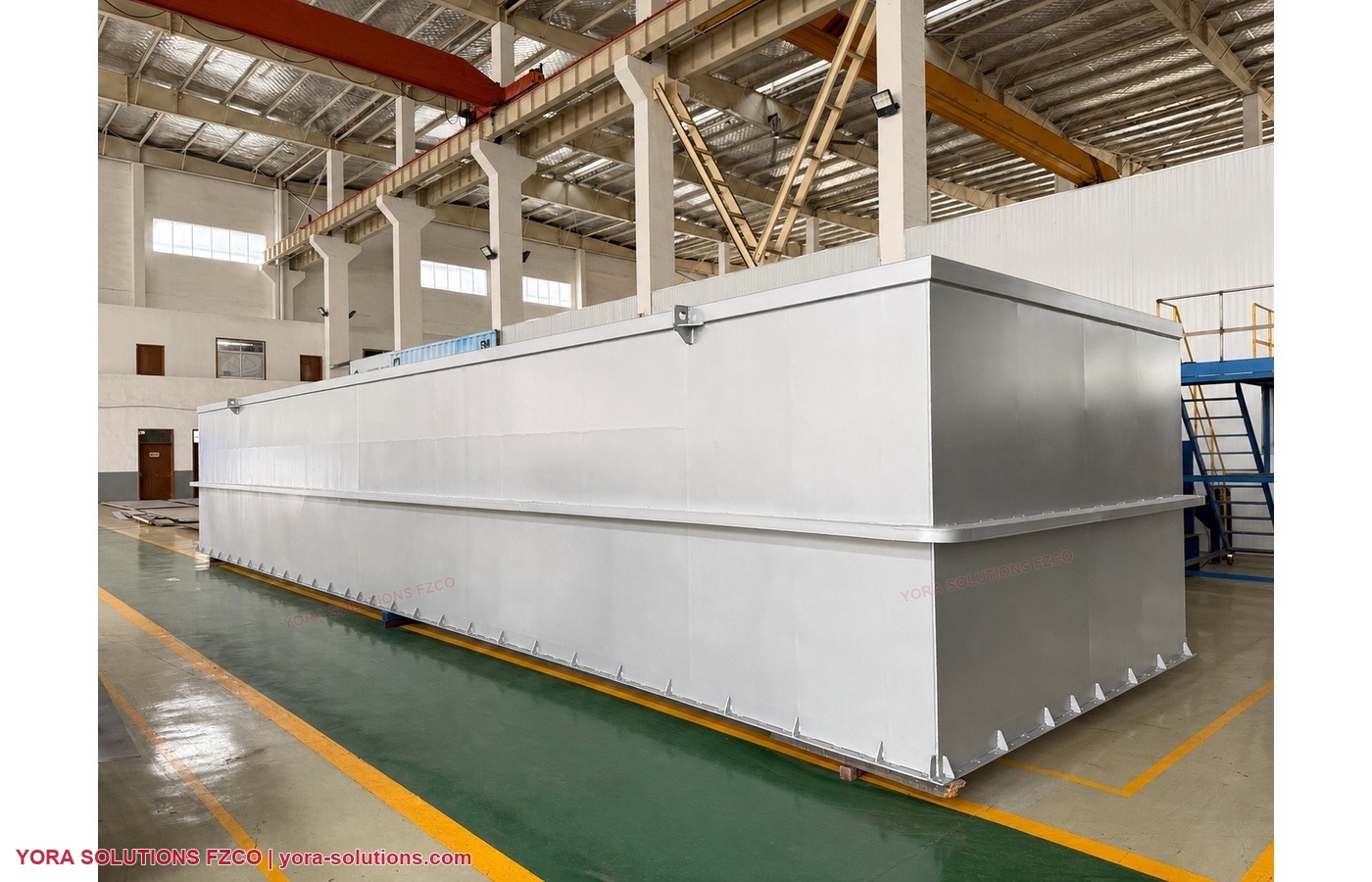
FAST stands for Factory-built, Assembled, Steel, Tank. It is a modular tank-construction platform engineered around the treatment process, rather than one fixed treatment technology.
How is FAST different from a conventional concrete plant?
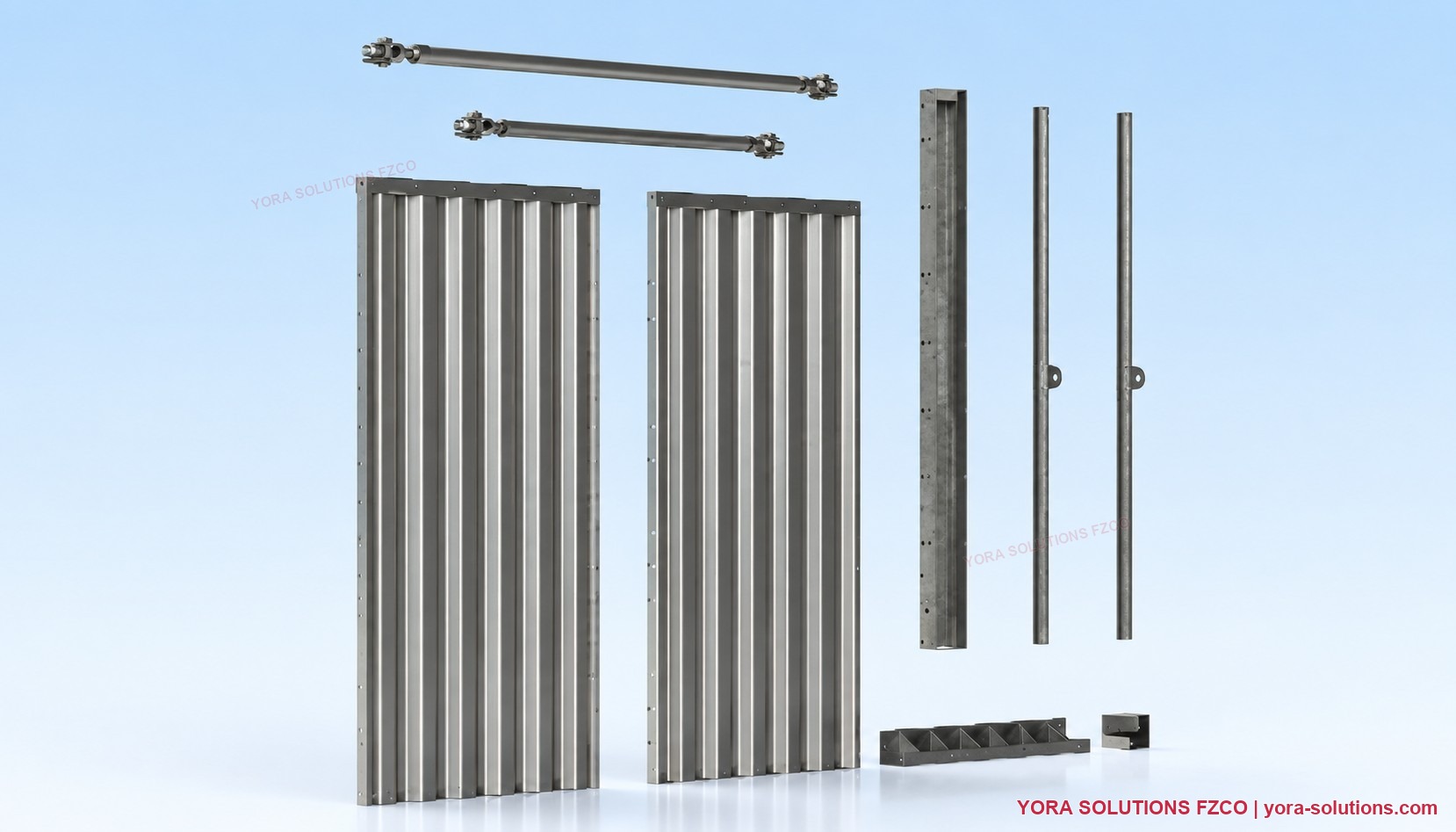
Tank panels and components are fabricated in the factory and assembled on site. This shifts substantial work away from site construction and allows fabrication to progress alongside site preparation. Foundations and other civil works are still designed for the project.
Which wastewater processes can FAST accommodate?
The platform can accommodate equalization, anoxic and aerobic treatment, clarification and other selected stages. A/O, A²/O and MBR configurations are selected around the wastewater characteristics and discharge or reuse targets.
Can FAST treat industrial wastewater?
Yes, where the process is designed for the specific wastewater. Industrial streams may require pretreatment, chemical conditioning or treatability assessment before biological treatment. Flow, composition and variability determine the treatment train.
What capacity can be provided?
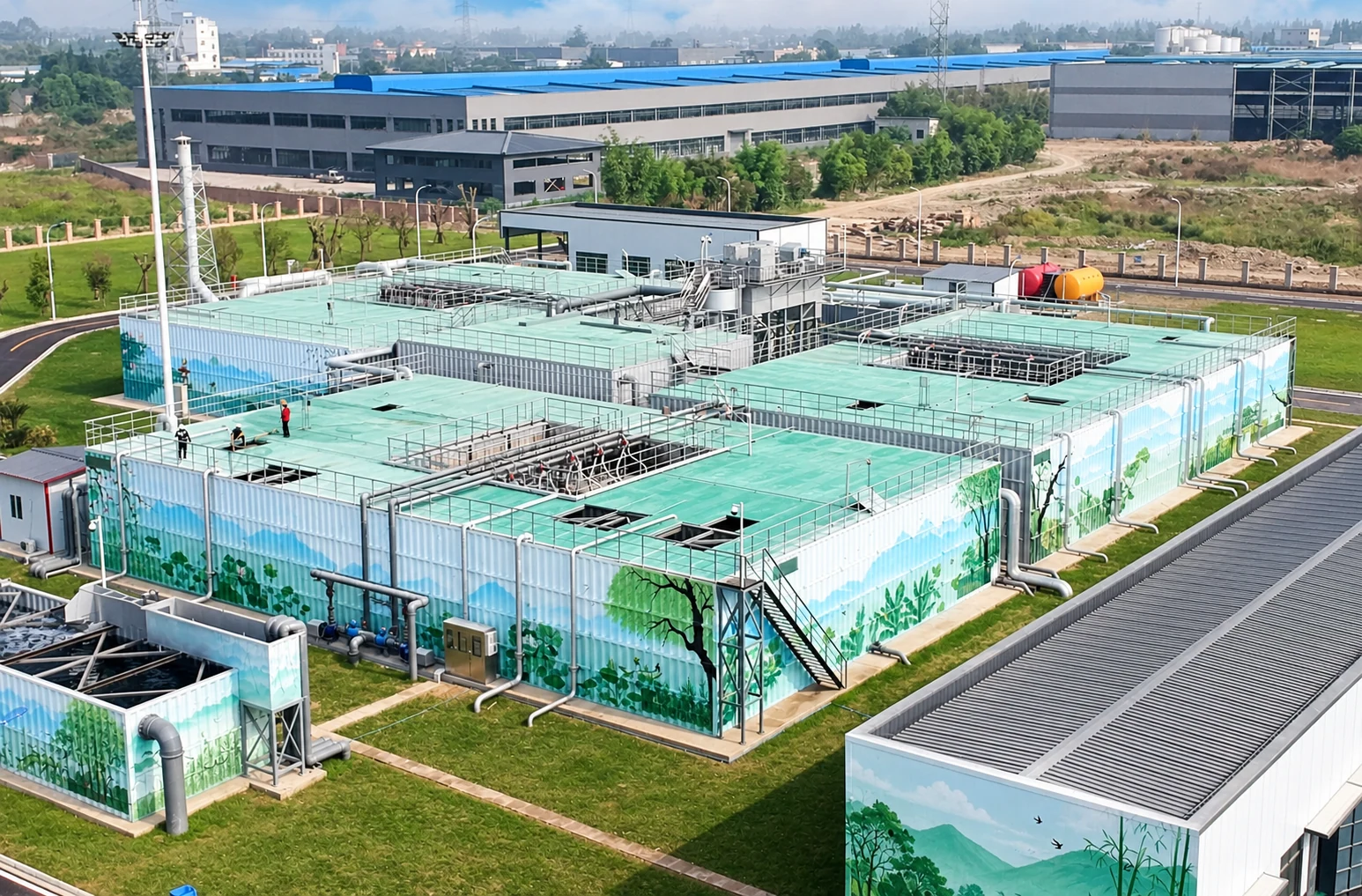
The indicative portfolio spans 10 to more than 100,000 m³/day across compact systems and parallel treatment trains. These are whole-plant capacities, not the capacity of a single tank. Tank volumes and train count follow the design duty.
Construction and installation
Which construction materials are available?
SS304, SS316 and coated carbon steel are available. Material grade and coating systems are selected for wastewater chemistry, corrosion exposure, temperature and project requirements.
Are the tanks bolted or welded?
Either method can be used according to the approved design. Connection details, joint sealing, inspection and testing requirements are coordinated with structural loads and installation conditions.
How are the components shipped?
Factory-fabricated panels and components are packed for compact transport, with jointing components, supports and fittings supplied to the agreed scope. Shipment sizes and unloading arrangements follow the delivery and assembly plan.
How high can the tanks be?
Tank heights up to 6 metres can be considered. The selected height depends on structural verification, process depth, hydraulic levels, ground conditions and access for operation and maintenance.
What must be ready before installation?
The site needs the specified foundations, safe access, lifting arrangements and agreed utilities and pipework interfaces. Foundation loads, layout, assembly sequence and inspection requirements are coordinated before delivery.
How quickly can a FAST plant be installed?
Factory preparation and coordinated site assembly can shorten construction. The actual schedule depends on capacity, module count, connection method, site readiness, delivery and the agreed scope. YORA develops the programme around the project design.
Can the plant be expanded or relocated?
Additional modules and parallel trains can support planned expansion. Relocation may be feasible for bolted arrangements, subject to the connection design, component condition, disassembly method and suitability of the new site. Welded arrangements require a separate assessment.
Performance and operation
How should I interpret the percentage benchmarks?
The displayed percentages are published benchmarks for the modular technology. Project-specific savings are assessed against an agreed conventional alternative with equivalent capacity, treatment targets and scope. Construction duration, land area and operating energy are compared separately.
Where do energy savings come from?
Energy performance depends on process selection, hydraulic design, equipment efficiency and controls matched to operating demand. Aeration, pumping, recirculation and membrane duties are assessed for the selected treatment train.
Does a smaller footprint restrict maintenance access?
The layout must retain the access needed for inspection, equipment removal, cleaning and safe operation. Shared walls, integrated compartments and greater tank height can reduce land requirements without making maintenance clearance an afterthought.
Does faster assembly mean immediate full treatment performance?
Mechanical completion brings the plant to testing and commissioning. Biological processes may also need seeding, acclimation and stabilization before reaching the agreed operating condition. This is included in the commissioning plan.
What inspection and maintenance are required?
Requirements depend on the selected equipment and process. The operating plan covers tank and connection inspections, coatings where applicable, pumps, blowers, instruments and treatment equipment, with access and maintenance intervals defined in the handover documentation.
Can the treated water be reused?
Reuse is possible when the complete treatment train is designed and validated for the required reuse standard. Additional filtration, disinfection or other polishing may be needed for the intended use.
Planning your project
What does YORA supply?
The agreed package can include the modular tank platform, selected process equipment, piping, instrumentation and controls. Supply boundaries, civil works, utilities and site services are defined in the quotation.
Where does YORA provide site services?
Installation, commissioning and operation are available in Jordan, Iraq and the UAE. Installation supervision and commissioning are available in other countries, according to the agreed scope.
What information is needed for a quotation?
Provide average and peak flow, available wastewater analysis, discharge or reuse targets, site location, plot dimensions and required delivery programme. Include utilities, site constraints and the installation scope where known.
How can I request technical documents?
Use the Request technical datasheet link on this page. The form preselects FAST, and our team reviews the enquiry before sending the appropriate documents. A full RFQ is not required.